
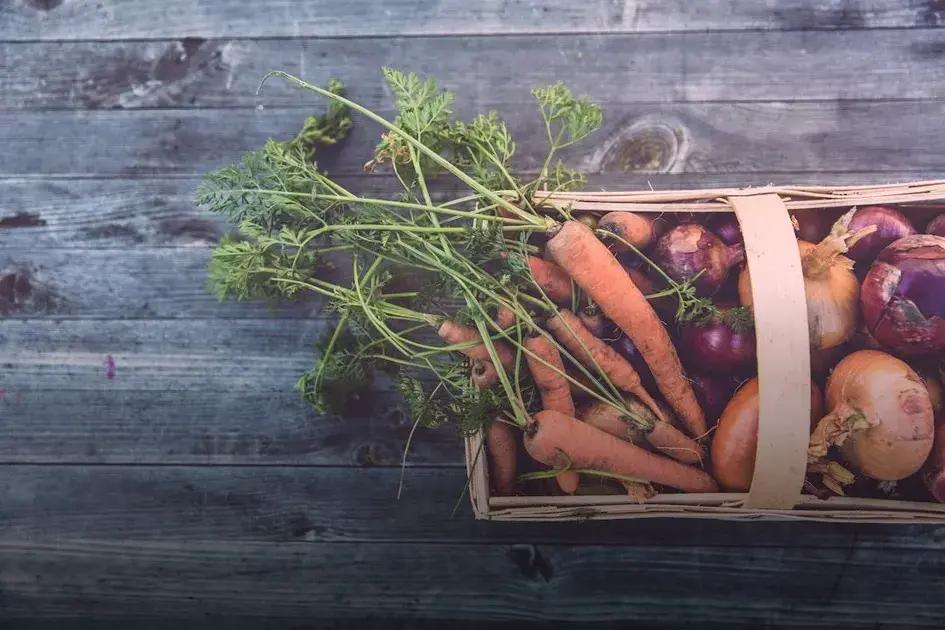
Starting a container vegetable garden is an excellent way to grow your own fresh produce, even if you have a small patio, balcony, or limited yard space. It’s a highly accessible form of gardening that gives you complete control over the soil, location, and conditions of your plants. With the right knowledge and a few basic supplies, you can transform any sunny spot into a thriving edible oasis. This comprehensive guide will walk you through the essential steps, from selecting the right containers and vegetables to mastering watering and maintenance for a bountiful harvest.
Choosing the Right Containers and Vegetables
The success of your container garden begins with smart choices about what to grow and where to grow it.
Selecting Containers: Almost anything can be a container, as long as it has good drainage. You can use traditional terracotta or plastic pots, fabric grow bags, wooden boxes, or even repurposed items like buckets or old wheelbarrows. The key is to ensure there are drainage holes at the bottom to prevent root rot. The size of the container matters—a small pot is fine for herbs or radishes, but larger vegetables like tomatoes and zucchini need a container that is at least 5 gallons (19 liters) in size to support their extensive root systems.
Choosing Vegetables: Many vegetables are well-suited for container gardening. The best choices are those with a compact growth habit or high yield relative to their size.
- Leafy Greens: Lettuce, spinach, and kale are perfect. You can harvest their outer leaves as needed, and they will continue to produce.
- Root Vegetables: Radishes, carrots (look for short or round varieties), and beets can be grown in containers that are at least 8-12 inches deep.
- Fruiting Vegetables: Tomatoes (choose “patio” or “dwarf” varieties), peppers, and eggplant do very well in large containers.
- Vining Plants: Plants like cucumbers can be grown vertically on a trellis to save space.
The Pillars of Container Gardening: Soil, Sun, and Water
Unlike in-ground gardens, container gardens rely entirely on you to provide the perfect environment.
Soil: Never use regular garden soil in a container. It is too heavy, compacts easily, and can contain diseases. Use a high-quality potting mix that is specifically designed for containers. This soil mix is lightweight, well-draining, and sterile, providing the ideal foundation for your plants. It’s a worthwhile investment that makes a huge difference.
Sun: Most vegetables need a lot of sun to produce a good harvest. Place your containers in a location that receives at least 6-8 hours of direct sunlight per day. If you have a patio, observe which spots get the most sun throughout the day and position your pots accordingly.
Watering: This is the most crucial part of container gardening. Since containers dry out faster than garden beds, you will need to water more frequently, sometimes daily during hot summer months. The best way to check is to stick your finger about two inches into the soil—if it’s dry, it’s time to water. Water until you see it running out of the drainage holes at the bottom, which ensures the entire root system gets a good drink.
Essential Maintenance for a Bountiful Harvest
A few simple practices will help you keep your container garden healthy and productive all season long.
Fertilizing: The nutrients in potting mix are used up quickly. To keep your plants producing, you’ll need to fertilize them regularly. Use a balanced, all-purpose liquid fertilizer every two to three weeks, following the instructions on the package.
Pruning and Harvesting: Regularly harvesting your vegetables will encourage the plant to produce even more. For vining plants and tomatoes, a little pruning can help air circulation and direct the plant’s energy towards producing fruit. Pinch off “suckers” on tomato plants and harvest vegetables like beans and zucchini when they are young and tender to encourage a continuous yield.
By following these simple steps, you can create a beautiful and productive container garden that will provide you with a delicious and rewarding harvest.

 The Importance of Soil Health: A Guide to Building a Living Garden
  Companion Planting for Pest Control: A Natural Approach to Gardening
  Guide to Vertical Gardening: Maximizing Your Garden Space