
Succulents are celebrated for their unique beauty, diverse forms, and low-maintenance nature, making them ideal for both seasoned gardeners and beginners. These resilient plants are masters of water storage, allowing them to thrive in conditions where other plants would struggle. By understanding their specific needs for light, water, and soil, you can cultivate a stunning collection that flourishes indoors or out. This comprehensive guide covers everything from selecting the right varieties to troubleshooting common issues, ensuring your succulent garden flourishes with minimal effort
Choosing the Right Succulent Varieties
Selecting the perfect succulent varieties for your home depends largely on your environment and aesthetic preferences. Consider whether you plan to keep them indoors or outdoors, as this will influence the types that will thrive best. For indoor settings, where light might be less intense, opt for low-light tolerant varieties such as Haworthia, Gasteria, or Sansevieria (Snake Plant). These types can still maintain their vibrant colors and compact forms even with less direct sunlight.
If you have a bright, sunny spot, either indoors near a south-facing window or outdoors, a wider range of succulents will flourish. Echeveria, Sedum, Sempervivum (Hens and Chicks), and Crassula (Jade Plant) are excellent choices that display stunning colors and intricate rosette patterns when exposed to ample sunlight. Also, think about their cold hardiness. If you live in an area with cold winters and plan to keep succulents outdoors, choose cold-hardy varieties like many Sempervivum species or certain Sedum. For less hardy types, be prepared to bring them indoors during colder months. By carefully selecting varieties, you can build a diverse and resilient succulent collection that suits your space and lifestyle.
Preparing the Perfect Soil and Environment
The right soil mix is paramount for growing healthy succulents. Unlike traditional garden plants, succulents require a well-draining medium that prevents root rot, their most common demise. Start with a base of a cactus and succulent potting mix, which is specifically formulated for these plants. To enhance drainage further, incorporate inorganic amendments such as perlite, pumice, or coarse sand. A general rule is to mix these amendments in a 1:1 ratio with the potting mix. This creates a porous environment that allows water to pass through quickly, mimicking their natural arid habitats.
It’s also essential to use pots with drainage holes, as even the best soil mix cannot compensate for standing water at the bottom of a pot. Terracotta pots are an excellent choice as their porous nature helps to wick moisture away from the soil, further preventing overwatering. Avoid using regular garden soil or dense potting mixes, as they retain too much moisture and can suffocate succulent roots. The goal is to mimic their natural arid habitats where water drains rapidly.
Essential Succulent Care and Maintenance Tips
Proper care is key to ensuring your succulents thrive. One of the most critical aspects is watering. Succulents prefer a “soak and dry” method. Water deeply until it drains from the bottom of the pot, then allow the soil to dry out completely before watering again. Overwatering is the most common cause of succulent death, so it’s always better to underwater than to overwater. You can tell a succulent is thirsty when its leaves begin to look slightly wrinkled or shriveled.
Light exposure is equally important. Most succulents need at least six hours of bright, direct sunlight per day to maintain their vibrant colors and compact growth. Insufficient light can lead to etiolation, where the plant stretches and becomes leggy, with widely spaced leaves as it searches for more light. Fertilizing is generally not required, as they are adapted to nutrient-poor soils. If you choose to fertilize, do so sparingly during the growing season (spring and summer) using a diluted, balanced liquid fertilizer.
Troubleshooting Common Succulent Problems
Even with the best care, succulents can face issues. Understanding common problems is vital for maintaining a healthy collection. Etiolation (stretching) occurs when a succulent isn’t receiving enough light. The plant will stretch towards the light source, growing tall and leggy with widely spaced leaves. The solution is to move your succulent to a brighter location.
Rotting roots or stem is another common issue, usually due to overwatering. The plant will have mushy leaves or a discolored stem. To fix this, you must immediately unpot the plant and cut away all affected parts. Allow the healthy parts to callus over for a few days before repotting in dry, well-draining soil. Sunburn is characterized by bleached, discolored spots on leaves and happens when a plant is exposed to too much intense light too quickly. Move the plant to a spot with slightly less intense sun or provide some partial shade. Lastly, watch out for pests like mealybugs or spider mites. For small infestations, dab pests with a cotton swab dipped in rubbing alcohol. By recognizing these signs and acting promptly, you can often save your succulents and keep your garden thriving.

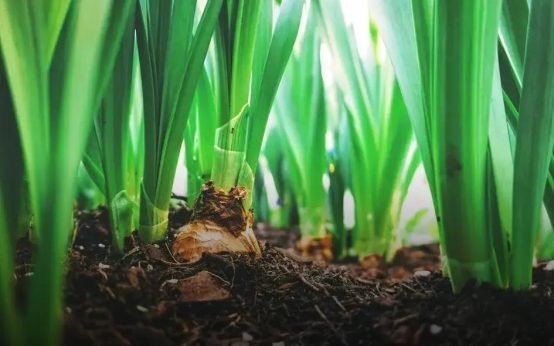 The Importance of Soil Health: A Guide to Building a Living Garden
  Companion Planting for Pest Control: A Natural Approach to Gardening
  Guide to Vertical Gardening: Maximizing Your Garden Space