
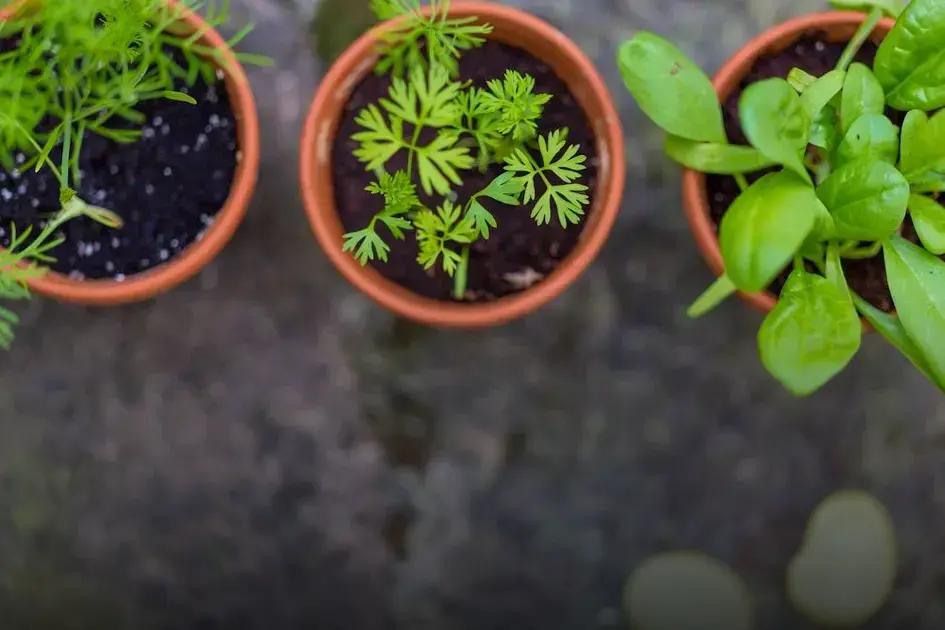
Vertical gardening is an innovative and highly effective way to grow a wide variety of plants when space is at a premium. By utilizing vertical structures like trellises, walls, and hanging baskets, you can transform a small patio, balcony, or even an indoor wall into a lush, productive garden. This method not only saves valuable horizontal space but also adds a unique aesthetic to your home and improves air circulation for your plants. This comprehensive guide will introduce you to the principles of vertical gardening, the best plants to grow, and the different types of systems you can use to start your own vertical oasis.
The Benefits of Vertical Gardening
Beyond simply saving space, vertical gardening offers a number of significant advantages for both gardeners and their plants.
Space Efficiency: The most obvious benefit is maximizing your growing area. Vertical gardens allow you to grow a surprising number of plants in a very small footprint, making them ideal for urban gardeners or those with limited yard space.
Improved Plant Health: Elevating plants off the ground improves air circulation, which helps prevent common fungal diseases like powdery mildew. It also keeps fruit and leaves away from soil-borne pests and diseases. For vining plants, it prevents the fruit from resting on the ground, which can lead to rot.
Ergonomic Benefits: Vertical gardening can be easier on your back and knees. Planting, weeding, and harvesting can all be done at a more comfortable height, reducing the strain of bending over.
Aesthetic Appeal: A vertical garden is a living piece of art. It can be used to cover an unsightly wall, create a lush privacy screen, or add a dramatic green feature to a patio or deck. The visual impact of a vertical garden is often stunning.
Choosing the Right Plants for Vertical Systems
Not all plants are well-suited for vertical gardening. The best choices are those with a vining, trailing, or compact growth habit.
Fruiting and Vining Vegetables: Many vegetables are perfect for vertical growing. Tomatoes (look for indeterminate varieties), cucumbers, and beans (pole beans) are classic choices that will climb readily. Peas also do very well on a trellis. For squash and melons, choose smaller varieties that won’t be too heavy for the support structure.
Leafy Greens and Herbs: These are great for wall-mounted planters and vertical towers. Lettuce, spinach, and kale can be grown in small pockets, as can many herbs like basil, oregano, and thyme.
Strawberries: These are an excellent choice for vertical planters and hanging baskets. They produce runners that will cascade beautifully, and the fruit is kept off the ground, making it cleaner and less susceptible to pests.
Flowers and Ornamentals: Many flowers are perfect for vertical gardens, especially vining types like clematis, morning glories, and climbing roses. For living walls, consider plants like ferns, pothos, and spider plants that thrive in vertical pockets.
Types of Vertical Gardening Systems
There are numerous ways to create a vertical garden, from simple DIY projects to sophisticated pre-made systems.
Trellises and Arches: These are the most traditional forms of vertical gardening. They are ideal for vining vegetables like cucumbers, peas, and pole beans. You can build your own with wood or bamboo or buy a pre-made metal or plastic one.
Wall-Mounted Planters: These systems consist of small pockets or containers that can be attached to a wall or fence. They are perfect for herbs, leafy greens, and flowers. They come in various materials, including felt, plastic, and metal.
Vertical Towers and Columns: These freestanding systems have multiple levels or pockets for planting. They are great for growing a high density of plants in a small space and are often used for strawberries or herbs. Some are designed with a central watering system for easy maintenance.
Hanging Baskets: While not a wall system, hanging baskets are a simple and effective form of vertical gardening. They are perfect for trailing plants like cherry tomatoes, strawberries, and various flowers.
No matter which system you choose, make sure your plants get enough sunlight and are watered consistently, as vertical gardens can dry out more quickly than in-ground beds. By thinking vertically, you can unlock a whole new dimension of gardening possibilities.

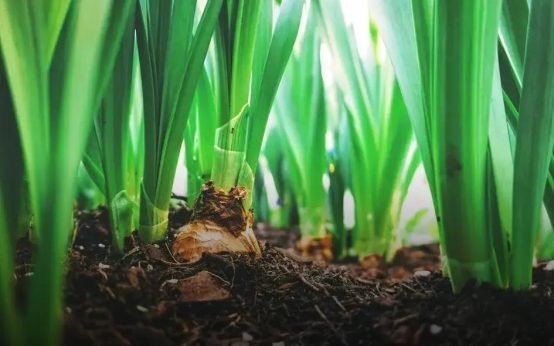 The Importance of Soil Health: A Guide to Building a Living Garden
  Companion Planting for Pest Control: A Natural Approach to Gardening
  A Comprehensive Guide for a Bountiful Harvest