
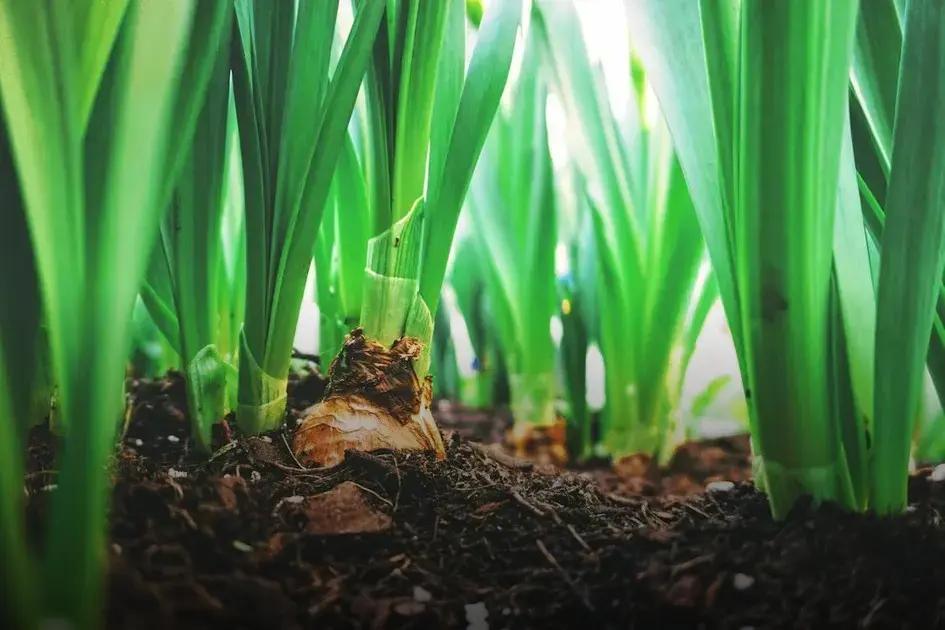
Soil is the foundation of every thriving garden. It is a complex, living ecosystem that provides plants with physical support, water, air, and all the nutrients they need to grow. Far from being just “dirt,” healthy soil is teeming with billions of microorganisms, fungi, and insects that work together to create a fertile environment. Understanding and actively improving your soil health is the most fundamental step you can take to become a successful gardener. This comprehensive guide will explain the key components of healthy soil, common problems, and how to build a rich, living foundation for your plants.
Understanding the Key Components of Healthy Soil
Healthy soil is a balanced mixture of four main components: mineral particles, organic matter, air, and water.
Mineral Particles: These are the small bits of rock that make up the bulk of the soil. The size of these particles determines your soil type—sand (large and gritty), silt (medium and smooth), and clay (tiny and sticky). The ideal soil, known as loam, is a balanced mix of all three, offering a perfect combination of drainage, moisture retention, and nutrient-holding capacity.
Organic Matter: This is the most crucial component for soil health. Organic matter is made up of decomposed plant and animal materials, such as compost, manure, and shredded leaves. It acts like a sponge, holding onto water and nutrients. It also provides food for microorganisms, improves soil structure by helping to create small air pockets, and encourages the growth of beneficial fungi and bacteria.
Air and Water: The spaces between soil particles are filled with air and water. Roots need access to both to survive. Compacted soil has very little air, which can suffocate roots and prevent them from absorbing nutrients. A healthy soil structure, improved by organic matter, ensures there are plenty of pores for both air and water to circulate.
Soil Life: The invisible workforce of your garden is the network of microorganisms, fungi, and insects. These include earthworms, which aerate the soil and create nutrient-rich castings, and mycorrhizal fungi, which form a symbiotic relationship with plant roots to help them absorb more nutrients. A healthy soil is a bustling, living community.
Common Soil Problems and How to Fix Them
Even the best-looking soil can have problems. Knowing how to identify and fix them is key to your garden’s success.
Compaction: This occurs when soil particles are pressed together, reducing the air space. It’s a common problem in high-traffic areas or heavy clay soils. Solution: The best way to combat compaction is by adding large amounts of organic matter, which loosens the soil and creates a better structure. Avoid walking on garden beds, especially when they are wet.
Nutrient Imbalance: Soil can either be deficient in a key nutrient or have an excess of it, which can lock up other nutrients. This is often tied to your soil’s pH. Solution: A soil test is the best way to determine your soil’s nutrient profile. Based on the results, you can add organic fertilizers or specific amendments like rock phosphate or bone meal to correct deficiencies.
Poor Drainage: This is a major issue for many plants, as it can lead to root rot. It is common in clay soils. Solution: Again, adding significant amounts of organic matter is the best long-term solution. You can also mix in gritty amendments like sand or perlite to help with drainage.
Poor Water Retention: This is common in sandy soils. Solution: The best fix is to add lots of compost and other organic matter, which will act as a sponge to hold onto moisture. A layer of mulch on the surface can also help reduce evaporation.
Building and Maintaining a Healthy Soil Ecosystem
The key to building healthy soil is to think of it as a living entity that you need to feed and protect.
Add Compost Regularly: There is no such thing as too much compost. Add a layer to your garden beds every year. This is the single most effective way to improve any soil type.
Mulch Your Beds: A layer of mulch (such as shredded leaves, straw, or wood chips) helps retain moisture, suppresses weeds, and feeds the soil as it breaks down. It also protects the delicate soil surface from the compacting force of rain.
Minimize Tilling: Tilling can disrupt the delicate soil ecosystem and destroy the beneficial fungi and microorganisms that have taken years to establish. Limit tilling to the initial preparation of new beds. For established beds, simply add compost on top and let the worms do the work.
Use Cover Crops: Planting a cover crop like clover or winter rye in the off-season prevents erosion, adds organic matter, and keeps the soil ecosystem active.
By treating your soil as the living foundation it is, you can create a garden that is more resilient, requires less work, and produces healthier, more abundant plants.

 Companion Planting for Pest Control: A Natural Approach to Gardening
  Guide to Vertical Gardening: Maximizing Your Garden Space
  A Comprehensive Guide for a Bountiful Harvest